20 Nov 2026
How Streaming Platforms Are Reshaping Viewer Engagement With Live Athletic Events And Interactive Casino Offerings
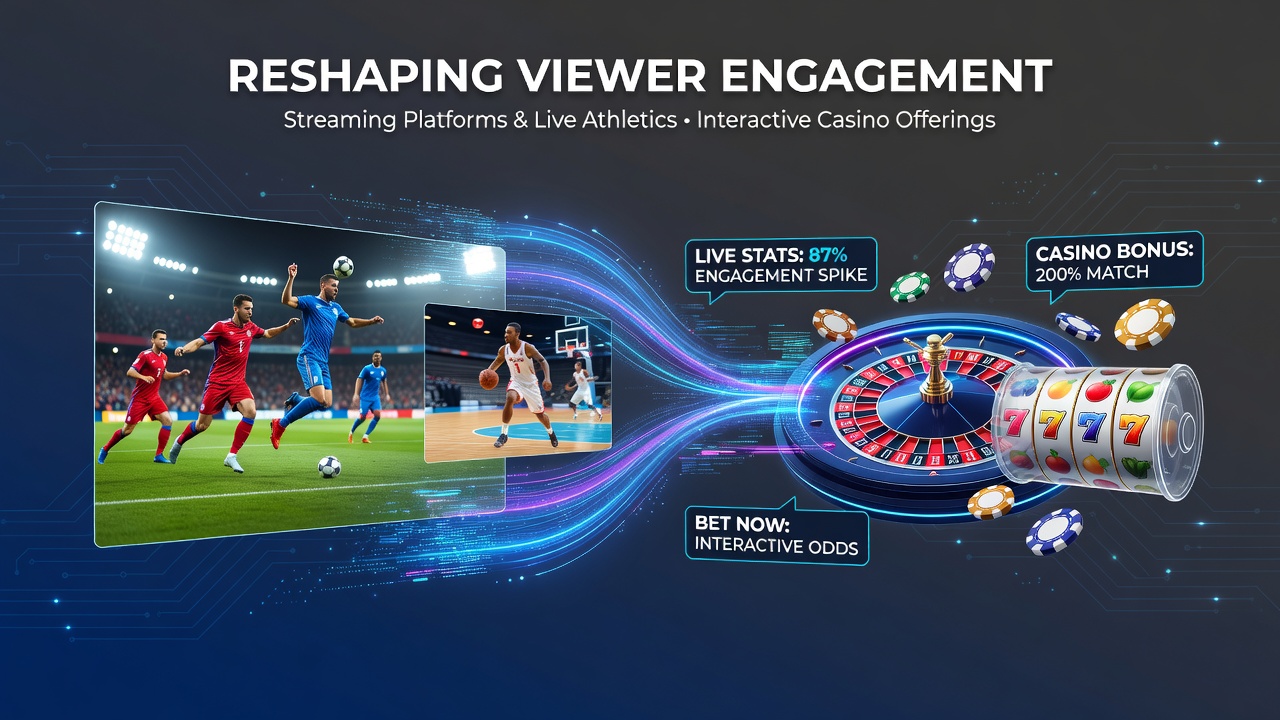
Streaming platforms have altered how audiences consume live athletic events by blending real-time video with interactive features that extend beyond traditional broadcasts, and this shift now incorporates direct connections to casino-style offerings where viewers place wagers or join live dealer sessions during the same session. Platforms deliver synchronized data feeds that update odds instantly while the action unfolds on screen, allowing users to switch between event coverage and casino tables without leaving the application. Research from industry analysts shows that engagement time per user has increased as these hybrid interfaces reduce the need for separate apps or sites, and figures from multiple markets indicate that simultaneous sports and casino activity now accounts for a growing share of total session minutes in regulated environments.
Integration of Live Sports Feeds With Interactive Elements
Viewers access multi-angle camera views alongside pop-up menus for in-play wagers, and the same window often hosts quick-launch casino games that run parallel to the athletic contest. Data indicates that such layering keeps attention spans longer because users receive continuous visual and interactive stimuli rather than static commentary alone. Observers note that synchronization protocols developed by major platforms ensure latency stays below thresholds that would otherwise break immersion, while backend systems pull from both sports data providers and casino game servers to maintain consistency across regions. In November 2026 several services expanded these capabilities to include regional league events that previously lacked dedicated streams, resulting in measurable upticks in cross-category participation tracked through user accounts.
Changes in Audience Behavior During Athletic Broadcasts
Audience metrics collected across North American and European operators reveal that viewers who engage with integrated casino options during games spend more cumulative time on the platform than those who watch video only. Short bursts of casino play occur between plays or during timeouts, and longer sessions build when events extend into extra time or overtime periods. Studies compiled by academic researchers at institutions focused on digital media consumption demonstrate that notification systems prompting casino participation correlate with higher retention rates, particularly among younger demographics already accustomed to second-screen habits. Those who track platform analytics report that average watch duration for premium athletic events rose when interactive layers were added, and the same datasets show corresponding increases in repeat visits within the same week.
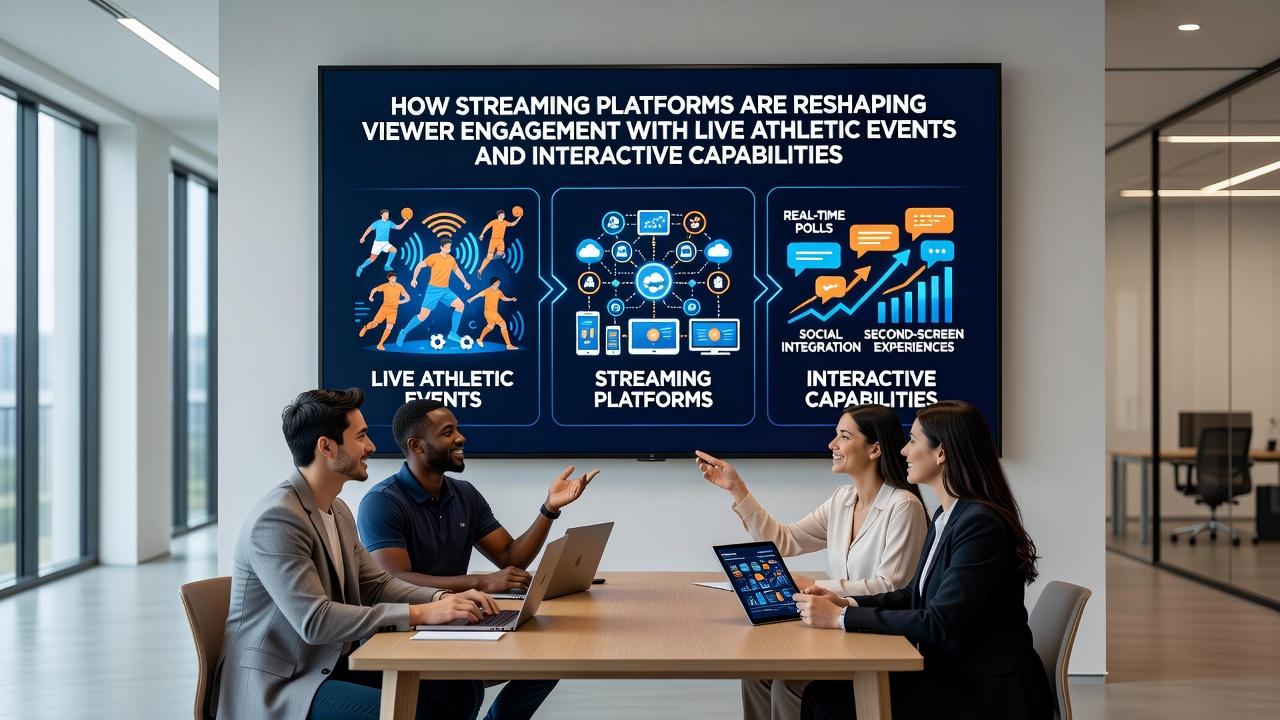
Technical and Regulatory Factors Shaping Platform Capabilities
Platform operators must comply with varying licensing rules that dictate how casino offerings appear alongside sports content, and these frameworks differ across jurisdictions in ways that influence feature rollout timelines. The European Gaming and Betting Association has published guidelines that address responsible display of both verticals within single interfaces, while similar discussions continue in Canadian provincial regulators and Australian oversight bodies. Technical standards for age verification and geo-location now apply uniformly to both sports betting and casino modules, reducing friction for users who move between the two. Service providers report that API connections between streaming engines and game servers have improved stability, allowing seamless transitions even during peak traffic periods such as championship finals.
Market Data and Participation Trends Through Late 2026
Participation numbers compiled for the period ending November 2026 show that users accessing live athletic streams with embedded casino functions logged higher average daily active minutes compared with prior years. The American Gaming Association tracks revenue attribution across categories and notes that a portion of casino play originates directly from users already logged into sports streams. Regional differences appear in adoption speed, with some markets requiring additional consumer education campaigns before full integration reaches scale. Those monitoring user feedback channels observe that complaints about interface complexity have declined as design patterns standardized around persistent navigation bars and collapsible panels.
Future Trajectories for Combined Streaming Experiences
Developers continue to test augmented reality overlays that place virtual casino elements within the live sports feed itself, and early trials indicate these features further extend session lengths when executed without disrupting core video quality. Infrastructure investments by content delivery networks support the bandwidth demands of simultaneous video, data, and game rendering, while encryption protocols protect transaction flows across both sports and casino segments. Observers expect continued refinement of personalization algorithms that suggest casino offerings based on specific sports preferences, yet implementation remains subject to ongoing regulatory review in each operating territory.
Conclusion
Streaming platforms continue to merge athletic event coverage with interactive casino functions through synchronized interfaces that keep users engaged across longer periods, and data from 2026 illustrates measurable shifts in how audiences allocate their time within these environments. Technical advancements and regulatory adaptations support this convergence while maintaining separation between licensed activities, and participation patterns suggest the model will expand as more events gain streaming availability. The resulting ecosystem delivers continuous options for viewers who value both live competition and casino-style interaction within a single session.