6 Nov 2026
Global Regulatory Shifts Reshaping Payment Flows in Event-Driven Wagering and Instant Play Environments
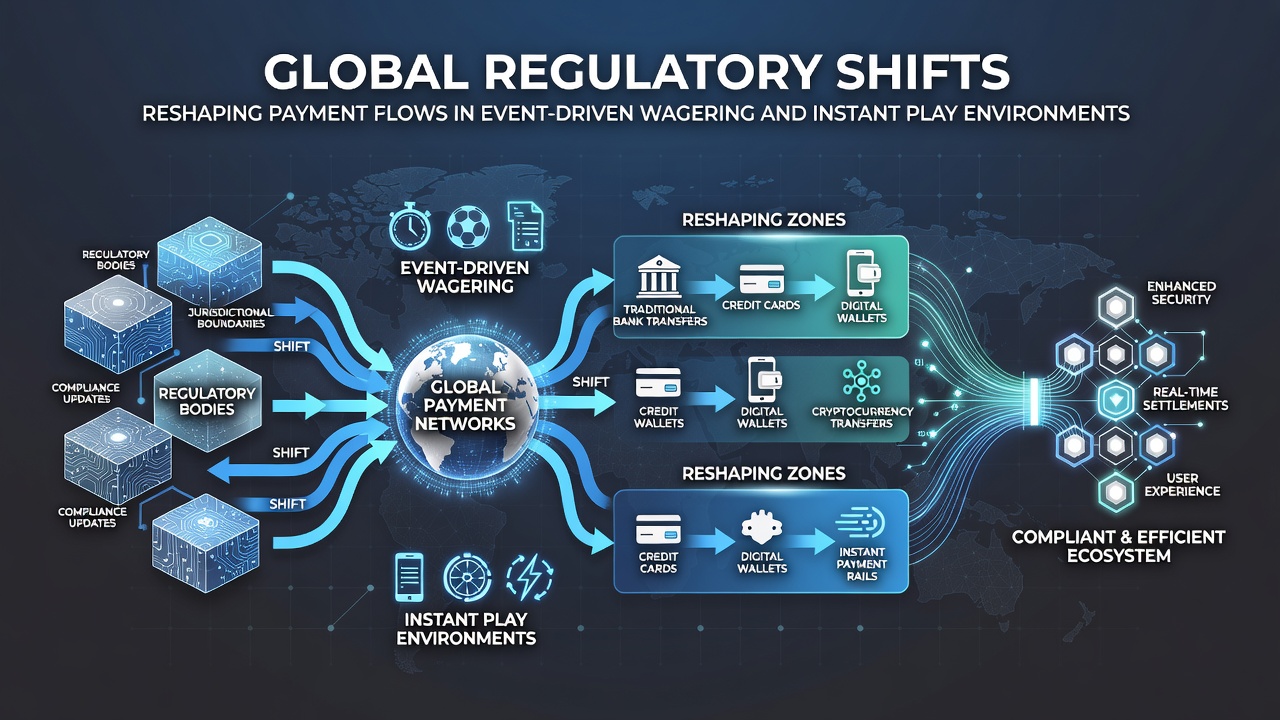
Regulatory frameworks across multiple continents continue to evolve in ways that directly influence how funds move through event-driven wagering platforms and instant play casino environments, with new compliance layers affecting transaction speeds, verification processes, and allowable payment methods.
European Payment Directives and Real-Time Requirements
European authorities have implemented updates to payment service directives that require enhanced real-time monitoring for transactions tied to wagering activities, and these rules affect operators handling live event bets where timing plays a critical role in settlement. Data from the European Central Bank shows increased adoption of instant payment schemes among regulated platforms since 2024, while operators must integrate stronger customer verification steps before processing deposits or withdrawals in instant play formats. Observers note that such measures connect directly to broader anti-money laundering efforts, and they force platforms to balance speed with documentation demands that were less stringent in earlier years.
Countries within the bloc have introduced national variations that layer additional reporting obligations onto cross-border transfers, and this creates distinct operational paths for companies managing both sports event wagering and rapid casino game payouts. Research indicates that platforms adjusting their systems early have maintained smoother flows, whereas others face delays during peak live betting periods when volumes spike suddenly.
North American State-Level Adjustments
In North America, individual states have rolled out updated guidelines that target payment processor partnerships used by event-driven betting services, and several jurisdictions now require explicit segregation of wagering funds from general operational accounts. Figures from the National Council of Legislators from Gaming States reveal that more than a dozen states revised their payment flow protocols between 2025 and 2026, with emphasis on instant verification tools that reduce settlement times for withdrawals in live casino environments. These changes align with federal expectations around financial transparency, and they push operators toward automated systems capable of flagging unusual patterns during high-volume event periods.
Asia-Pacific Approaches to Instant Transactions
Asia-Pacific regulators have focused on licensing frameworks that tie payment approvals to operator compliance scores, and this approach influences how instant play environments process rapid deposits from mobile users. Australian Treasury reports highlight new standards for digital wallet integrations that apply specifically to wagering transactions, while Canadian provincial authorities have tested pilot programs requiring source-of-funds checks before large instant payouts. Such policies create regional differences in processing times, and companies operating across borders must maintain separate compliance teams to navigate each set of rules without disrupting service continuity.
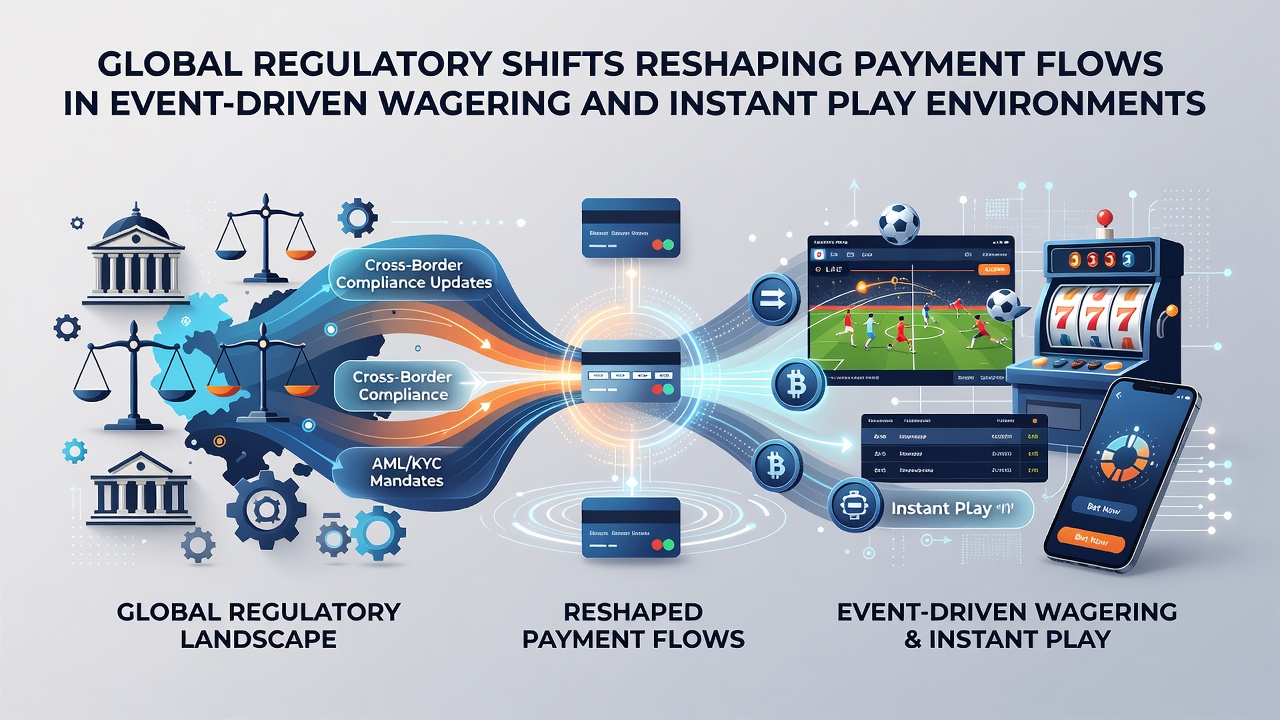
What's interesting is how these shifts coincide with technological upgrades in banking infrastructure, and operators who link their systems to open banking rails report faster reconciliation during live event windows. Data shows that markets with clearer payment guidelines experience fewer interruptions in instant play sessions, particularly when events trigger simultaneous betting surges across multiple time zones.
Impact on Event-Driven Wagering Mechanics
Event-driven wagering relies on near-instant settlement capabilities that newer regulations sometimes constrain through mandatory cooling periods or additional authorization layers, and this affects in-play betting models where odds change rapidly. Industry reports from the International Association of Gaming Regulators note that platforms incorporating automated compliance checks have preserved transaction velocity while meeting oversight standards, and those adjustments often involve partnerships with licensed financial institutions rather than third-party processors. The reality is that live betting volumes continue to grow in regulated markets, yet payment flows must now route through verified channels that document each step from deposit to payout.
Observers point out that instant play environments face parallel pressures because players expect immediate access to games after funding accounts, and any added verification step can alter engagement patterns. Studies from academic centers tracking digital finance trends indicate that regions with harmonized rules between gaming and payment authorities see higher rates of seamless transactions, whereas fragmented oversight leads to temporary holds during compliance reviews.
Technology Integration and Compliance Tools
Operators have turned to blockchain-based ledgers and AI-driven monitoring tools to meet the documentation demands of updated regulations, and these technologies allow real-time tracking of funds in both event-driven and instant play settings. Government agencies in several jurisdictions now accept data exports from such systems as part of routine audits, and this reduces manual reporting burdens that previously slowed operations. Yet the integration requires upfront investment in secure infrastructure, and smaller platforms sometimes partner with larger providers to share compliance resources without compromising transaction speed.
November 2026 marks a notable checkpoint for several overlapping regulatory timelines, as multiple jurisdictions finalize reporting templates that standardize how payment data gets shared between gaming commissions and financial watchdogs. Platforms preparing for those deadlines have already begun mapping their current flows against the expected formats, and early adopters report fewer last-minute adjustments needed when live events create sudden spikes in activity.
Conclusion
Global regulatory shifts continue to redefine how payments move within event-driven wagering and instant play environments, with emphasis on verification speed, fund segregation, and cross-agency data sharing that varies by region. Companies that align their systems with these evolving standards maintain operational continuity, and the ongoing adjustments reflect coordinated efforts between financial and gaming authorities worldwide. Those adaptations shape the technical backbone supporting both live betting surges and rapid casino interactions, ensuring that payment flows meet the transparency thresholds now embedded in licensing conditions across diverse markets.